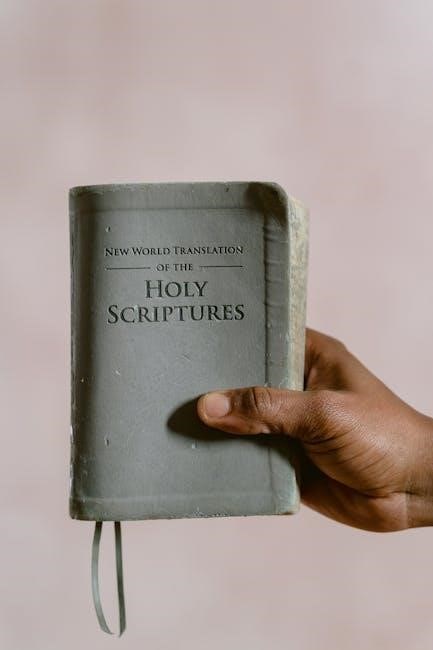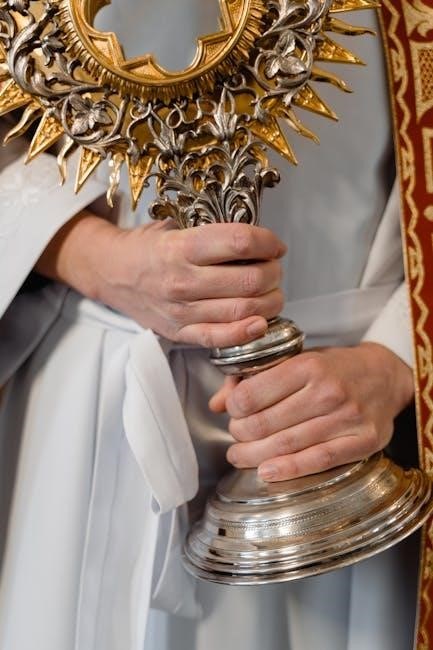
First Holy Communion Preparation: A Comprehensive Guide
Navigating preparation involves diverse resources; downloadable lessons in PDF format offer structured learning.
These materials, alongside online guides and printable activities,
aid in understanding the Eucharist and Mass, fostering a deeper faith journey for young communicants.
Understanding First Holy Communion
First Holy Communion marks a significant milestone in a child’s faith journey, representing their first reception of the Body and Blood of Christ. It’s a sacrament of initiation, building upon Baptism and Confirmation, drawing the young believer closer to God. Preparation isn’t merely rote memorization; it’s about fostering a genuine understanding of this sacred event.
PDF lessons are invaluable tools in this process, offering structured content tailored for young minds. These downloadable resources often break down complex theological concepts into age-appropriate explanations, covering topics like the Real Presence, the significance of the Mass, and the importance of reverence. They frequently include interactive elements, such as coloring pages, puzzles, and simple activities, to reinforce learning.
Effective preparation emphasizes that Communion isn’t just a ceremony, but a profound encounter with Jesus. Utilizing PDF guides alongside parish programs ensures a holistic approach, blending catechetical instruction with spiritual growth, ultimately preparing children to receive Christ with understanding and devotion.
The Significance of the Sacrament
First Holy Communion isn’t simply a tradition; it’s a deeply meaningful sacrament rooted in the Last Supper, where Jesus instituted the Eucharist. Receiving Communion unites us more intimately with Christ and with one another, strengthening our spiritual lives. It’s a source of grace, forgiveness, and eternal life.
PDF preparation lessons effectively convey this profound significance to children. These resources often explain the concept of the Real Presence – that the bread and wine truly become the Body and Blood of Christ – in a way that young minds can grasp; They highlight the importance of receiving Communion with a pure heart, free from mortal sin, emphasizing the need for Confession.
Utilizing these downloadable materials alongside parish instruction helps children understand that they are participating in something truly sacred. They learn that Communion isn’t just about them, but about their relationship with God and the entire Church, fostering a lifelong appreciation for this central sacrament.
Age Appropriateness and Readiness
Traditionally, children in the second or third grade – typically around age seven or eight – begin preparation for First Holy Communion. However, age isn’t the sole determinant of readiness. A child must demonstrate an understanding of the Eucharist, a basic grasp of sin and forgiveness, and the ability to participate reverently in the Mass.
PDF-based preparation lessons are invaluable in assessing this readiness; They often include age-appropriate explanations and activities that gauge a child’s comprehension. These resources help parents and catechists identify areas where a child may need additional support or clarification.
Readiness also encompasses spiritual maturity. A child should express a desire to receive Jesus in the Eucharist and understand the importance of receiving it with a respectful and contrite heart. Preparation isn’t about rote memorization, but about fostering a genuine faith and a loving relationship with God, guided by these helpful materials.
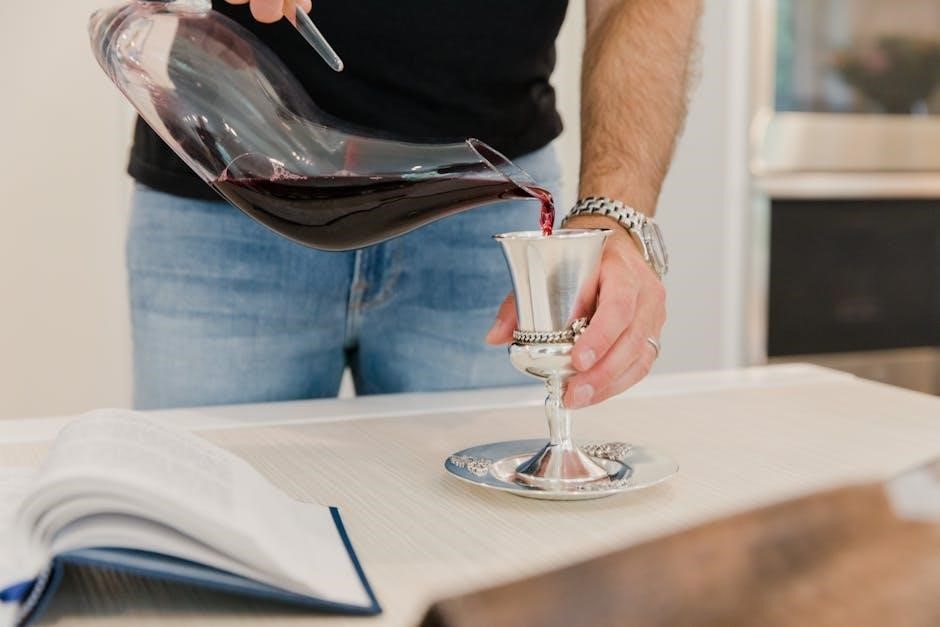
Preparing for the Sacrament
Effective preparation utilizes PDF lessons, guiding families through understanding and prayer. Catechists and parents collaborate, reinforcing key concepts and fostering a reverent approach;
Parental Role in Preparation
Parents are the primary faith educators for their children, and their involvement is crucial in First Holy Communion preparation. Utilizing readily available PDF lessons provides a structured framework for discussions at home, reinforcing what is learned in parish programs.
These downloadable resources often include age-appropriate explanations of the Eucharist, the Mass, and the importance of Reconciliation. Parents can actively participate by reviewing the materials beforehand, engaging in prayer with their child, and creating a supportive and reverent atmosphere.
Beyond the PDF lessons, parents should share their own faith stories and experiences, demonstrating the personal significance of the sacrament. Open communication about any anxieties or questions the child may have is vital. Consistent encouragement and a focus on God’s love will help the child approach First Holy Communion with joy and understanding. Remember, preparation isn’t just about memorizing facts; it’s about nurturing a lifelong relationship with Jesus.

The Role of the Catechist
Catechists serve as guides, facilitating a child’s understanding of the Eucharist and its profound significance. They skillfully utilize various resources, including PDF lessons, to deliver age-appropriate instruction on the Mass, Confession, and the concept of sin and forgiveness.
Effective catechists don’t simply present information; they foster a welcoming and engaging learning environment where children feel comfortable asking questions and sharing their thoughts. Supplementing PDF materials with interactive activities, discussions, and real-life examples helps solidify understanding.
A key role is to connect the lessons to the children’s everyday lives, demonstrating how faith is relevant and applicable. Catechists also collaborate with parents, offering support and guidance throughout the preparation process. Ultimately, they aim to nurture a genuine love for Jesus and a desire to receive Him in Holy Communion, preparing young hearts for this sacred encounter.
Parish-Based Preparation Programs
Parish programs offer a structured approach to First Holy Communion preparation, typically spanning one to two years. These programs often integrate a variety of resources, including comprehensive PDF lesson plans designed to systematically introduce key concepts.
Curricula usually cover understanding the Eucharist, the significance of the Mass, and preparation for the Sacrament of Reconciliation. Many parishes supplement these PDF materials with group sessions, family activities, and opportunities for spiritual reflection.
A significant benefit of parish-based programs is the communal aspect – children learn and grow in faith alongside their peers, fostering a sense of belonging. Parents are actively involved, receiving guidance and support throughout the process. These programs aim to provide a holistic preparation, nurturing not only intellectual understanding but also a heartfelt devotion to the Eucharist.
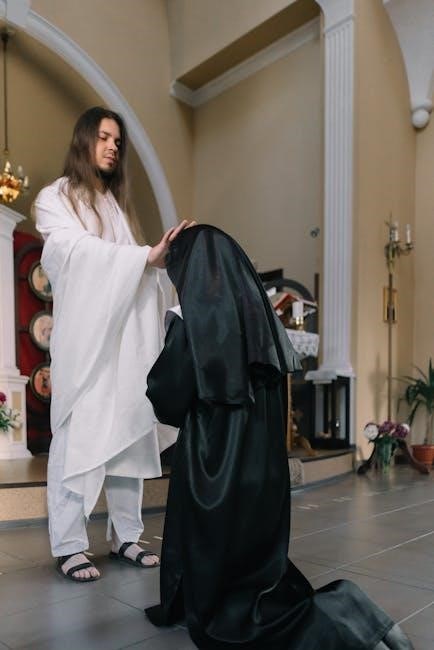
Key Lessons & Topics Covered
Essential lessons utilize PDF resources to explain the Eucharist, the Mass, Confession, sin, and forgiveness.
These materials build a foundational understanding for a meaningful First Communion experience.
Understanding the Eucharist
The Eucharist, at the heart of Catholic faith, is profoundly explained through accessible PDF lessons designed for young learners. These resources break down the complex concept of the Real Presence – that the bread and wine truly become the Body and Blood of Christ – in a way children can grasp.
Preparation materials often utilize visual aids and age-appropriate language to illustrate the Last Supper and its significance. Lessons emphasize that receiving the Eucharist isn’t merely symbolic; it’s a participation in Christ’s sacrifice and a strengthening of our relationship with Him.
PDF workbooks frequently include activities like coloring pages, simple quizzes, and fill-in-the-blanks to reinforce learning. They also explore the importance of reverent reception, encouraging children to prepare their hearts and minds before receiving Communion. Understanding the Eucharist is foundational to appreciating the beauty and depth of the sacrament.
The Meaning of the Mass
PDF preparation lessons illuminate the Mass as more than just a routine; it’s a re-presentation of Christ’s sacrifice on the cross. These resources detail each part of the Mass – the Introductory Rites, Liturgy of the Word, Liturgy of the Eucharist, and Concluding Rites – explaining their significance in a child-friendly manner.
Workbooks often include diagrams of the church and explanations of the roles of the priest, altar servers, and lectors. Lessons emphasize that the Mass is a communal prayer, uniting us with Christ and with one another.

PDF materials frequently explore the meaning of the prayers, readings, and songs, helping children actively participate rather than passively observe. They highlight the importance of respectful behavior during Mass and encourage a spirit of reverence. Understanding the Mass fosters a deeper connection to the Catholic faith and its central worship experience.
Confession (Reconciliation) Preparation
PDF lessons seamlessly integrate Confession preparation alongside First Communion, emphasizing God’s boundless mercy and forgiveness. These materials explain that Reconciliation is a healing sacrament, offering a fresh start after we’ve made mistakes. Workbooks often present age-appropriate scenarios illustrating common childhood failings and the importance of admitting wrongdoing.
Lessons detail the steps of the Sacrament: examining our conscience, being sorry for our sins (contrition), confessing to the priest, and performing the penance.
PDF resources frequently include sample “acts of contrition” and guide children through a simple self-examination process. They stress that confessing isn’t about getting in trouble, but about receiving God’s love and strengthening our relationship with Him. Understanding Reconciliation prepares children to receive the Eucharist with a clean heart and a renewed spirit.
Understanding Sin and Forgiveness
PDF-based lessons carefully introduce the concept of sin to young children, framing it not as simply “breaking rules,” but as turning away from God’s love. They emphasize that everyone makes mistakes, and that’s where forgiveness comes in. Workbooks often use relatable examples – unkind words, selfish actions, or dishonesty – to illustrate how our choices impact others and our relationship with God.
These resources explain that God always loves us, even when we sin, and that He offers us a path to healing through forgiveness.
PDF materials frequently incorporate stories from the Bible, like the Prodigal Son, to demonstrate God’s unconditional mercy. They highlight the importance of saying we are sorry, making amends when possible, and striving to do better in the future. Understanding sin and forgiveness is crucial for preparing a child’s heart to receive the Eucharist.

Resources for Preparation
Numerous PDF workbooks provide structured lessons, complementing online resources and activities. These materials simplify complex concepts, aiding comprehension and fostering a meaningful preparation experience.
First Holy Communion Workbooks (PDF Focus)
A wealth of First Holy Communion workbooks are readily available in PDF format, offering a convenient and cost-effective way to supplement parish-based preparation programs. These downloadable resources typically present lessons in a sequential manner, building upon foundational concepts of faith.
Many workbooks focus on explaining the Eucharist – the true Body and Blood of Christ – in age-appropriate language, often incorporating colorful illustrations and engaging activities. They also delve into the significance of the Mass, outlining the different parts and their meaning.
Crucially, many PDFs include preparation for the Sacrament of Reconciliation (Confession), guiding children through understanding sin, forgiveness, and the importance of seeking God’s mercy. Look for workbooks that offer interactive exercises, such as fill-in-the-blanks, coloring pages, and simple quizzes, to reinforce learning.
Parents can easily print these PDFs at home, allowing for flexible learning schedules and personalized instruction. Several dioceses and religious education publishers offer free downloadable resources, while others are available for purchase online.
Online Resources and Websites
Numerous websites provide supplementary materials for First Holy Communion preparation, often complementing PDF workbooks and parish programs. Diocesan websites frequently host resources tailored to their specific curriculum, including downloadable lessons, activity sheets, and parent guides.
Websites like Loyola Press and Sadlier Religion offer comprehensive programs with interactive elements, videos, and printable materials. These platforms often feature age-appropriate explanations of the Eucharist, the Mass, and the Sacrament of Reconciliation.
Catholic Kids Media provides engaging videos and songs designed to teach children about their faith. Furthermore, many parishes utilize online learning platforms to deliver lessons and track student progress.
When utilizing online resources, ensure the content aligns with Catholic doctrine and is approved by your parish or diocese. Parental supervision is crucial to navigate the internet safely and reinforce the teachings received. These digital tools can significantly enhance the preparation process, offering diverse learning opportunities.
Free Printable Activities
Supplementing First Holy Communion preparation with free printable activities reinforces key concepts in an engaging way. Many websites offer downloadable coloring pages depicting scenes from the Last Supper or images representing the Eucharist, aiding visual learners.
Word searches and crossword puzzles focusing on vocabulary related to the sacrament – like ‘Eucharist,’ ‘Communion,’ and ‘Reconciliation’ – build comprehension. Printable craft activities, such as creating a chalice or altar cloth, foster a hands-on connection to the Mass.
Catholic Playground and Ministry to Children are excellent sources for free, downloadable resources. These often include scripture-based activities and games designed to teach children about the importance of the Eucharist and the love of God.
Parents and catechists can utilize these activities during lessons or as homework assignments. Remember to review the content to ensure it aligns with your parish’s teachings and provides a solid foundation for understanding this sacred sacrament.
Recommended Books for Children

Enhancing First Holy Communion preparation extends beyond worksheets; thoughtfully chosen books can deeply resonate with young hearts. “My First Holy Communion” by Katie Warner offers a beautiful introduction to the sacrament, explaining its meaning in a child-friendly manner.
“The Eucharist: A Bible Study Guide for Children” by Saint Mary’s Press provides a scriptural foundation, helping children understand the origins of the Eucharist in the Bible. For younger children, “God’s Gift of the Eucharist” by Angela Burrin uses simple language and illustrations.
These books often complement PDF lesson plans, offering a tangible resource for families to read together. Look for titles that explain the Mass, confession, and the importance of a relationship with Jesus.
Consider books with interactive elements, like questions or activities, to encourage engagement. Reading these stories fosters a deeper appreciation for the Eucharist and prepares children for a meaningful First Holy Communion.
Practical Considerations
Planning involves logistics; downloadable PDF lessons aid scheduling. Outfit choices, etiquette discussions, and managing anxieties are key.
Photography guidelines ensure respectful documentation of this sacred event.
Choosing a Communion Outfit
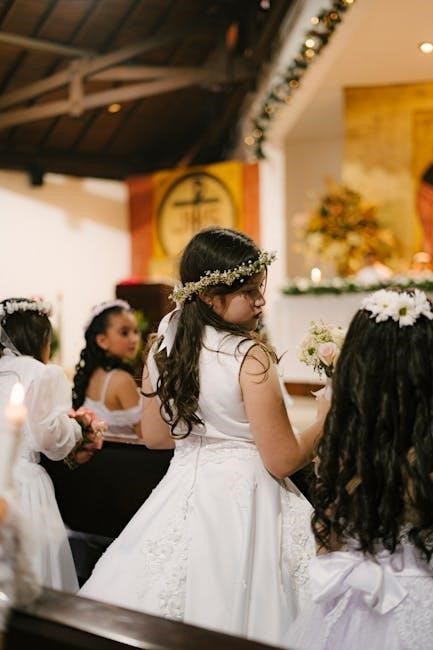
Selecting an outfit is a special part of preparation. While tradition often guides choices, remember the focus remains on the sacrament’s spiritual significance. Many parishes offer guidelines regarding appropriate attire – typically white symbolizes purity and new life in Christ.
PDF preparation lessons frequently emphasize reverence, and the outfit should reflect that. Options range from simple white dresses for girls to suits or dress pants with a white shirt and tie for boys. Accessories like veils, headbands, or shoes should be modest and complement the overall look.
Consider comfort; your child will be wearing the outfit for several hours during the ceremony and photos. Prioritize fabrics that are breathable and allow for ease of movement. It’s wise to involve your child in the selection process, within the established guidelines, to foster a sense of ownership and excitement about their First Holy Communion. Remember to check for any specific parish requirements detailed in preparation materials or communicated by the catechetist.
Communion Etiquette for Children
Understanding proper etiquette is crucial for reverence. First Holy Communion preparation lessons, often available as PDFs, dedicate sections to respectful behavior during Mass. Children should understand the importance of quiet reverence while in the church, avoiding talking or disruptive movements.
Receiving Communion itself requires specific etiquette: approaching the altar with hands clasped, responding “Amen” when offered the host, and consuming the host immediately. Lessons emphasize receiving Communion on the tongue or in the hands, as directed by the parish.
PDF resources also cover appropriate attire and posture – kneeling respectfully after receiving. It’s vital to practice these behaviors beforehand, perhaps through role-playing, to build confidence. Remind children that this is a sacred moment, a special encounter with Jesus, and their respectful participation honors that gift. Reinforce the importance of listening to the priest and following instructions during the ceremony.
Photography and Videography Guidelines
Capturing memories is cherished, but reverence is paramount. First Holy Communion preparation lessons, frequently found as downloadable PDFs, often include parish guidelines regarding photography and videography. Many churches restrict photography during the Communion procession to maintain a sacred atmosphere.
Typically, photos are permitted before or after the ceremony, often in designated areas. PDF resources emphasize respecting the privacy of other families and avoiding flash photography, which can be distracting;
Videography is often more restricted; some parishes prohibit it entirely. Always confirm the specific rules with your parish beforehand. It’s crucial to prioritize the spiritual significance of the event over capturing the “perfect” photo or video. Encourage families to focus on being present in the moment, rather than solely through a lens. Respectful observation and participation are key, ensuring a reverent experience for all.
Managing Expectations and Anxiety
First Holy Communion is a significant milestone, potentially causing anxiety for children. Preparation lessons, often available as comprehensive PDFs, should address these feelings. It’s vital to normalize nervousness and reassure children that it’s okay to feel apprehensive.
Parents should manage their own expectations, focusing on the child’s spiritual growth rather than a flawless performance. Discuss the ceremony beforehand, explaining each step to alleviate uncertainty.
PDF resources frequently suggest practicing responses and movements to build confidence. Encourage open communication; allow children to express their fears and concerns. Remind them that God’s love is unconditional and that He is with them. Focus on the joy of receiving Jesus, rather than the pressure of perfection. A calm and supportive approach will foster a positive experience.

Addressing Common Questions
PDF preparation lessons often include a Q&A section. These resources clarify doubts about the sacrament, easing anxieties for both children and parents, fostering understanding.
What if my child is nervous?
It’s perfectly normal for children to experience nervousness leading up to First Holy Communion! Many preparation lessons, particularly those available as downloadable PDFs, directly address these feelings. Look for materials that incorporate relatable stories or scenarios about other children who felt the same way.
These PDFs often include discussion points designed to help children articulate their anxieties and understand that it’s okay to be a little scared. Role-playing the ceremony, even a simplified version at home, can significantly reduce apprehension.
Remind your child that Jesus wants them to feel comfortable and loved. Focus on the joy of receiving Jesus, rather than the performance aspect. Reinforce that it’s not about being perfect, but about opening their heart to God’s grace. Positive affirmations and gentle encouragement are key. If nervousness persists, discuss it with the catechist or parish priest.
What if my child doesn’t understand?
Abstract concepts like the Eucharist can be challenging for young children. Fortunately, many First Holy Communion preparation lessons, especially those in PDF format, utilize age-appropriate language and visual aids to simplify complex theological ideas. Seek out resources that break down the meaning of the Mass and the Real Presence into digestible segments.
Don’t hesitate to re-explain concepts in different ways, using everyday examples. Encourage your child to ask questions – no question is too simple! Interactive PDFs often include quizzes or activities to reinforce learning.
Focus on the core message: Jesus loves them and wants to be close to them. Supplement the lessons with stories and discussions about Jesus’s life and teachings. Remember that understanding is a process, and it’s okay if your child doesn’t grasp everything immediately. Patience and consistent reinforcement are crucial.
Dealing with Dietary Restrictions
Preparing for First Holy Communion requires careful consideration for children with dietary restrictions, such as gluten intolerance or allergies. Many parishes are increasingly accommodating, offering low-gluten or gluten-free hosts. Communicate your child’s needs to the parish and catechetical leader well in advance.
Preparation lessons in PDF format often don’t directly address this, so proactive communication is vital. Discuss options with the priest or pastoral staff to ensure your child can fully participate. Explore resources detailing approved hosts and procedures for safe communion.
Reassure your child that their needs are important and that they will receive Jesus in a way that is safe for them. Focus on the spiritual significance of the sacrament, rather than the physical form of the host. Confirm arrangements with the parish before the Communion day to alleviate any anxiety.
Post-Communion Reflection
Continued faith formation is key; PDF lessons can extend learning beyond the day. Encourage discussion, prayer, and living out the Eucharist’s grace daily.
Continuing the Faith Journey
The First Holy Communion isn’t an endpoint, but a beautiful beginning. Maintaining a vibrant faith life requires ongoing nourishment and exploration. The PDF lessons utilized during preparation can serve as excellent resources for continued family discussion and reflection.
Revisit key concepts like the meaning of the Eucharist and the importance of the Mass. Encourage your child to regularly participate in prayer, both individually and as a family. Explore age-appropriate devotional materials and stories of the saints.
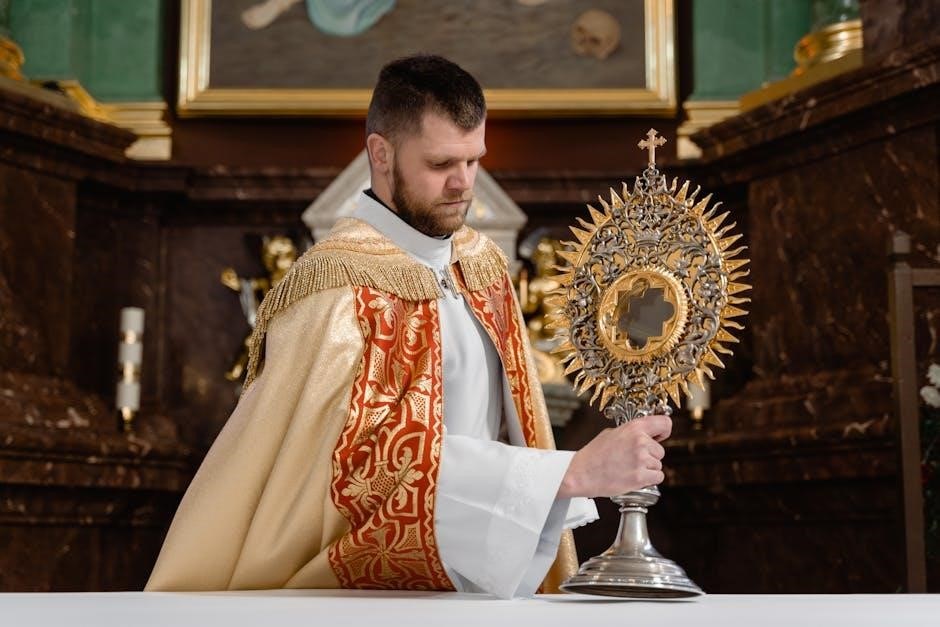
Consider incorporating regular visits to Eucharistic Adoration, if available, to foster a deeper personal relationship with Jesus. Look for opportunities to serve others, embodying the love and compassion taught by Christ. Remember, faith is a journey, not a destination, and consistent effort will help your child grow closer to God throughout their life.
Maintaining a Relationship with God
Nurturing a connection with God is a lifelong pursuit, building upon the foundation laid during First Holy Communion preparation. The PDF lessons, focusing on the Eucharist and the Mass, provide a springboard for continued spiritual growth. Encourage daily prayer – simple conversations with God are incredibly powerful.
Regularly reading scripture together as a family can deepen understanding and foster a shared faith experience. Utilize the concepts learned – sin, forgiveness, and God’s love – in everyday life discussions.
Participating in the Sacrament of Reconciliation (Confession) regularly strengthens the relationship with God and provides ongoing grace. Seek opportunities for acts of service and kindness, reflecting God’s love to others. Remember, a consistent, intentional effort to connect with God will yield abundant blessings and a fulfilling spiritual life.